
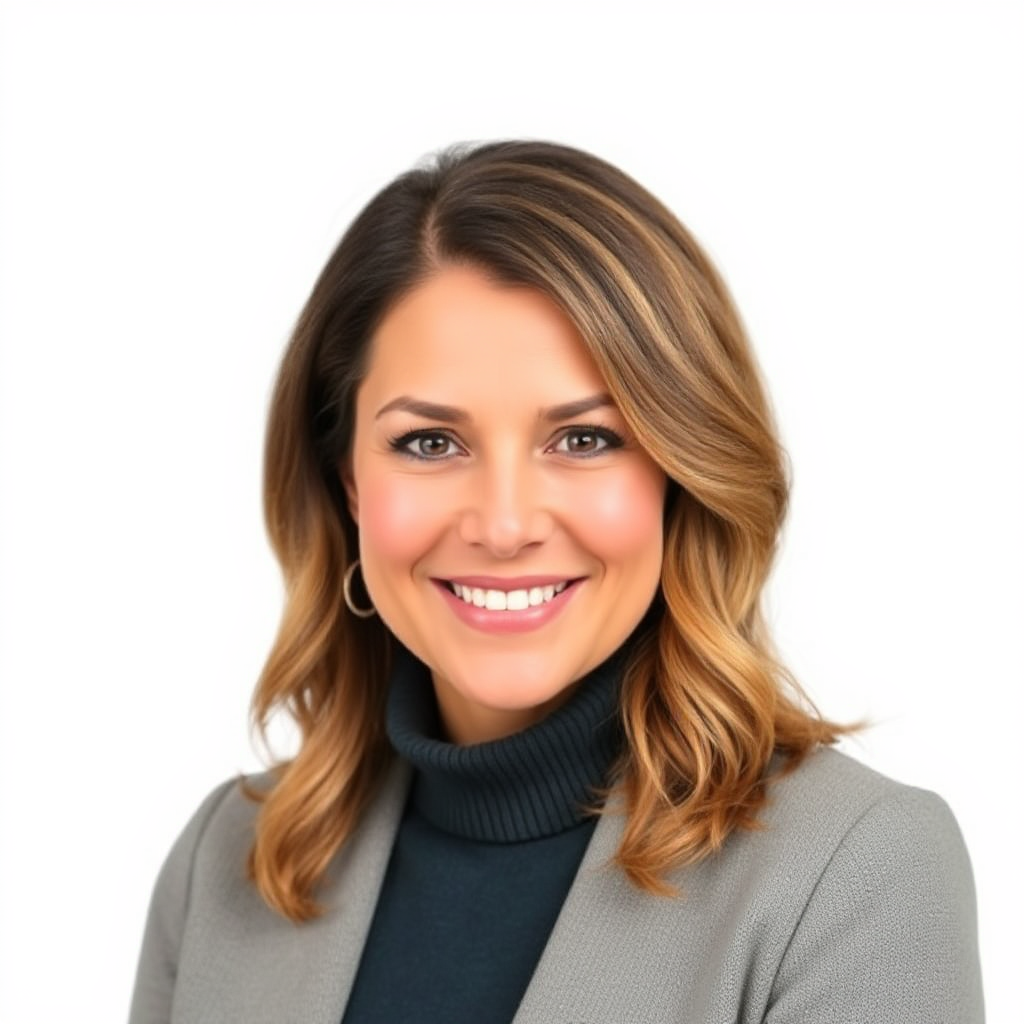
At times, healthcare worker Lorna Grinnell-Moore has the receiver hung up abruptly. Often, she has to listen to the most outlandish false claims and, in a particular instance, she remembers being verbally abused.
"You will inevitably encounter individuals like those, who just don't want to hear, and it feels like a failure."
But this is all part of the routine duties for Lorna. She has been contacting parents whose young ones have not received MMR vaccinations to persuade them to get immunised. Suboptimal immunization levels mean the infection has taken hold in the city, mainly among children under 10 years old.
An Active Strategy
This is not Lorna's first time - she was involved with a unit of NHS workers that placed thirteen thousand calls in only a quarter of a year after an increase in measles infections in late 2023 impacted numerous youngsters. Just these phone calls led nearly 1,000 formerly unsure guardians and adolescents to accept the opportunity vaccination.
Within a London borough, which is currently experiencing a rise in measles, health leaders are studying strategies from Birmingham for methods to control it. Several dozen infections have been confirmed so far this year, mainly among young children, some of whom have been required inpatient care.
Leveraging Veteran Staff
Amidst the city's 2023 surge, some former doctors and nurses were recalled from retirement, similar to the pandemic. On this occasion, however, rather than giving injections, they were being deployed to persuade people to receive them.
The team was tasked with placing follow-up calls to guardians and individuals in the under-25 bracket to talk about their hesitancy receiving the immunization against a disease that can have severe outcomes - including meningitis, blindness and, in uncommon instances, death.
Now, Lorna, a vaccination program lead, and a group of nurse specialists have been recruited to bash the phones again as there is another uptick in measles.
Navigating Difficult Conversations
The job is far from simple. It requires a specific methodology which entails careful hearing and trying to understand the individual on the line.
"When I understand their point of view, I can then answer their questions," states Lorna. "Occasionally they are receptive, and sometimes they say they don't want to hear more."
"The goal isn't to act like the bossy matron."
If people are prepared to continue the conversation, Lorna believes she can then tackle their fears or worries about the vaccine and help diminish them.
Guidelines and Assistance
A policy limits calls to three attempts. Another is not to leave messages due to potential confusion. Colleagues who speak a variety of languages, like French, Italian, Arabic, or Urdu, can assist in outreach when English isn't a person's first language.
In addition to the call initiative, the collaborative outbreak team also runs an information campaign and engages with community organizations.
Clear Outcomes
The comprehensive campaign has had a noticeable influence. Throughout the last year, a supplementary seven thousand jabs were completed – and the overall vaccination count was one-fifth more than the year before.
In particular, there had been lower vaccine uptake among particular demographic groups, encompassing Roma, Eastern European, South Asian, and African/Caribbean backgrounds.
Linguistic challenges were met by increasing the material available in a range of languages, utilizing QR code technology linked to videos explaining about the benefits, in conjunction with conventional poster campaigns.
Doctors' Surgeries Adapt
Several general practitioner practices have also started doing their own call-and-recall work. One of those is Hall Green Health, which has even taken it a step further by providing doctor consultations to concerned parents so they can address their questions in person with a GP.
"I believe we have grown too relaxed about the genuine dangers of measles," explains Dr. Sonia Ashraf.
She notes there exist multiple factors that make people hesitant. The inclusion of porcine gelatine in MMR is a common concern, but this is relatively easily resolved by providing the alternative of the jab that is free from gelatine.
Long-refuted data from the 1990s falsely associating MMR with autism also is frequently mentioned, while some parents also worry about the volume of recommended jabs given to youngsters. By the age of four, they will have been offered immunization on half a dozen occasions.
"Many families ask why children need so many or believe their kids are robust enough these diseases," notes the doctor. "We dedicate time to presenting the facts with them – falsehoods are prevalent out there."
Resource Constraints and Prospects
The telephone outreach program has since been made available elsewhere. Yet, owing to financial constraints, it is something that can only be done on a limited basis. By the following year, immunization rates dropped back to pre-2024 levels, leaving the city still well below the 95% threshold needed for herd immunity.
Even with periodic rises in infection, there has been nothing like the number of cases that were seen two years ago, when reported infections topped half a thousand.
A public health lead, says the call-and-recall model "proves highly effective" but "not a cure-all" and needs to be combined with other strategies. Optimally, he explains it would be used more but more resources are necessary.
Existing monetary allocation for the initiative runs until the end of this financial year.
Countrywide Challenges
Birmingham is not the only area to implement this method. A number of other places have experimented with comparable approaches.
However, improving rates countrywide has proved difficult. Currently, under 85 percent of children have had two doses by the age of five.
"It's a real challenge," notes a specialist. "The factors behind non-vaccination are complicated and diverse. An element frequently ignored is practical availability. For


